
Craft: What We Make and How We Make
Craft has always existed in two forms: as a noun—the objects and traditions created through hands-on making—and as a verb—the act of shaping, experimenting, problem-solving, and bringing ideas to the world. At the Racine Art Museum (RAM), we are embracing both meanings, expanding the understanding of craft beyond the object itself and exploring it as an interdisciplinary practice rooted in creativity, connection, and participation.
For generations, craft has often been defined through materials and techniques: ceramics, fiber, glass, wood, metal, and other forms of skilled artistry. These practices remain central to RAM’s identity, but contemporary craft continues to evolve. Today, artists are pushing beyond conventional definitions, combining craft with technology, performance, installation, and social practice. While materiality and making remain fundamental, craft can also be immersive, embodied, temporal, and interactive. The result is a more expansive view of craft—not only as something to be collected and viewed, but as something to be entered, experienced, and shared.
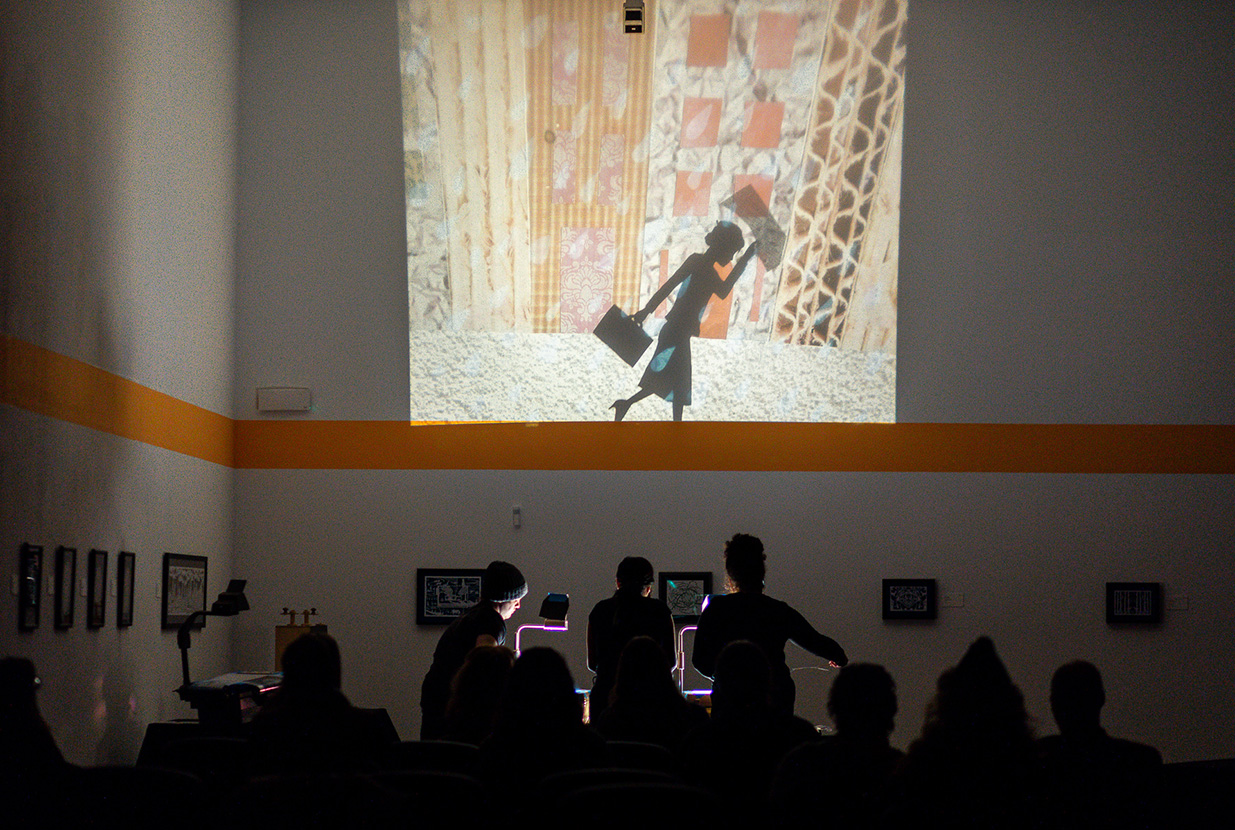
RAM is helping to redefine this concept by working at the intersection of contemporary art, craft, design, and community making. This approach recognizes that creativity is not limited to finished objects; it exists in the processes, ideas, collaborations, and experiences that bring them into being. Craft can be a material practice, but it can also be a way of thinking, a method of storytelling, and a tool for connecting people to one another and the world around them.
This expanded vision is reflected in the work of contemporary artists who challenge traditional definitions of craft and explore new relationships between material, space, and audience. A woven structure can become an immersive environment. A handmade work can open conversations about culture, identity, and place. A collaborative project can transform individuals into a community of makers. These approaches invite us to consider craft not simply as a category of objects, but as a dynamic discipline that crosses boundaries and creates new possibilities for engagement.
In the coming years, RAM will develop exhibitions, programs, and community experiences that reflect this broader understanding of craft. This means seeking out artists and ideas that expand the possibilities of making, while creating more opportunities for audiences to engage through participation, conversation, and hands-on experiences. By bringing together artists, designers, makers, and communities, RAM will explore how craft connects creative disciplines with shared human experiences.
This participatory approach reflects a larger evolution in the role of museums. Museums are not only places where objects are preserved and displayed—they are spaces where ideas are exchanged, relationships are formed, and new possibilities emerge. At RAM, craft provides a powerful framework for this work because making is a universal human experience. It invites curiosity, encourages experimentation, and creates opportunities for people of all backgrounds to participate.
As RAM continues to evolve, we are embracing craft in its fullest sense: as both noun and verb. It is something we preserve, but also something we practice. It is an object, a process, an experience, and a connection. Through future exhibitions, programs, and partnerships, RAM will offer audiences new ways to encounter craft—not simply as something to see, but as something to experience, explore, and make together.