

Mission and History
The Racine Art Museum holds the largest contemporary craft collection in North America, with more than 14,000 objects from nationally and internationally recognized artists. The museum plays a vital role in arts education through RAM’s Wustum Museum, where it offers community outreach programs, and studio art classes and workshops taught by regionally and nationally known artists working in craft media.
Vision
To be a vibrant hub where art sparks imagination and inspires possibility.
Mission
To connect people through creative exploration and lifelong learning while contributing to the vitality of our community.
Values
To achieve our vision and mission, we are guided by the following values:
- Belonging and Engagement
We foster inclusive spaces, invite diverse voices, and cultivate authentic connections that inspire shared ownership, active participation, and lasting community bonds. - Collaboration and Partnership
We forge transformative relationships, share knowledge, and work across sectors to amplify impact, expand reach, and achieve collective success. - Innovation and Experimentation
We challenge assumptions, explore various perspectives, and test new ideas to create experiences that are bold, unconventional, and thought-provoking. - Integrity and Accountability
We act with honesty, transparency, and responsibility, caring for our resources and relationships in ways that build trust and uphold our standards. - Joy and Wonder
We delight in curiosity, embrace the unexpected, and create experiences that surprise, inspire, and fill people with a sense of awe and discovery.
Community
Long before RAM opened its doors, Racine established itself as a hub of innovation, industry, and design on the western shore of Lake Michigan. Once home to Horlick’s Malted Milk Company and Western Publishing—which is best-known for its Little Golden Books—Racine continues to house the global headquarters of SC Johnson. The city’s legacy also includes J.I. Case, Mitchell Wagons, Fish Brothers, The Massey Harris Co., and more, alongside smaller tanneries, fish markets, lumber yards, grain mills, and printing houses.
Racine’s history of ingenuity and making continues to shape the community today—not only its economy, but also its art, culture, and environment, where white sandy beaches and scenic parks dot a post-industrial landscape layered with sleek modernity. An idyllic lighthouse, Danish bakeries, and iconic Frank Lloyd Wright architecture give further form to the singularity of place that defines the “Belle City” within Wisconsin and the broader Midwest.
History of the Museums
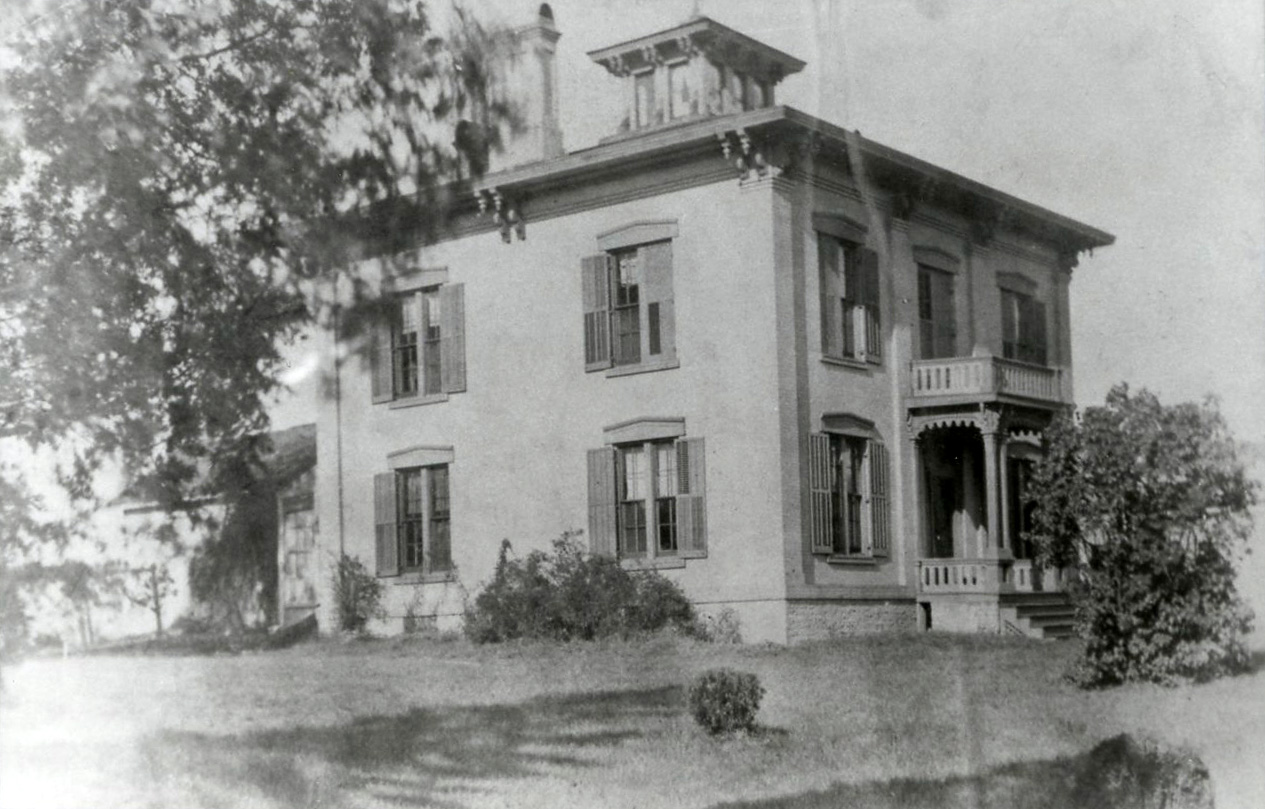
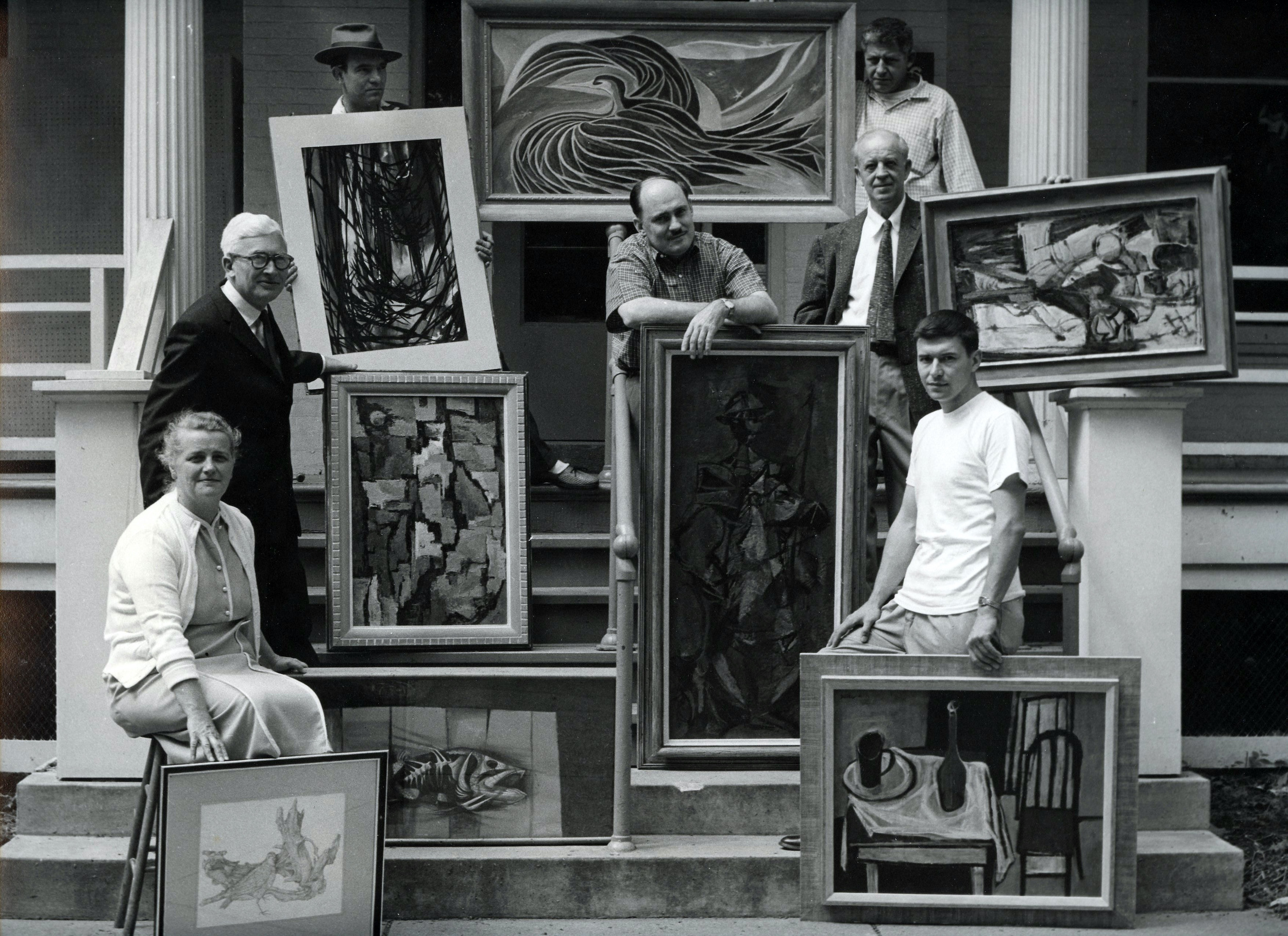
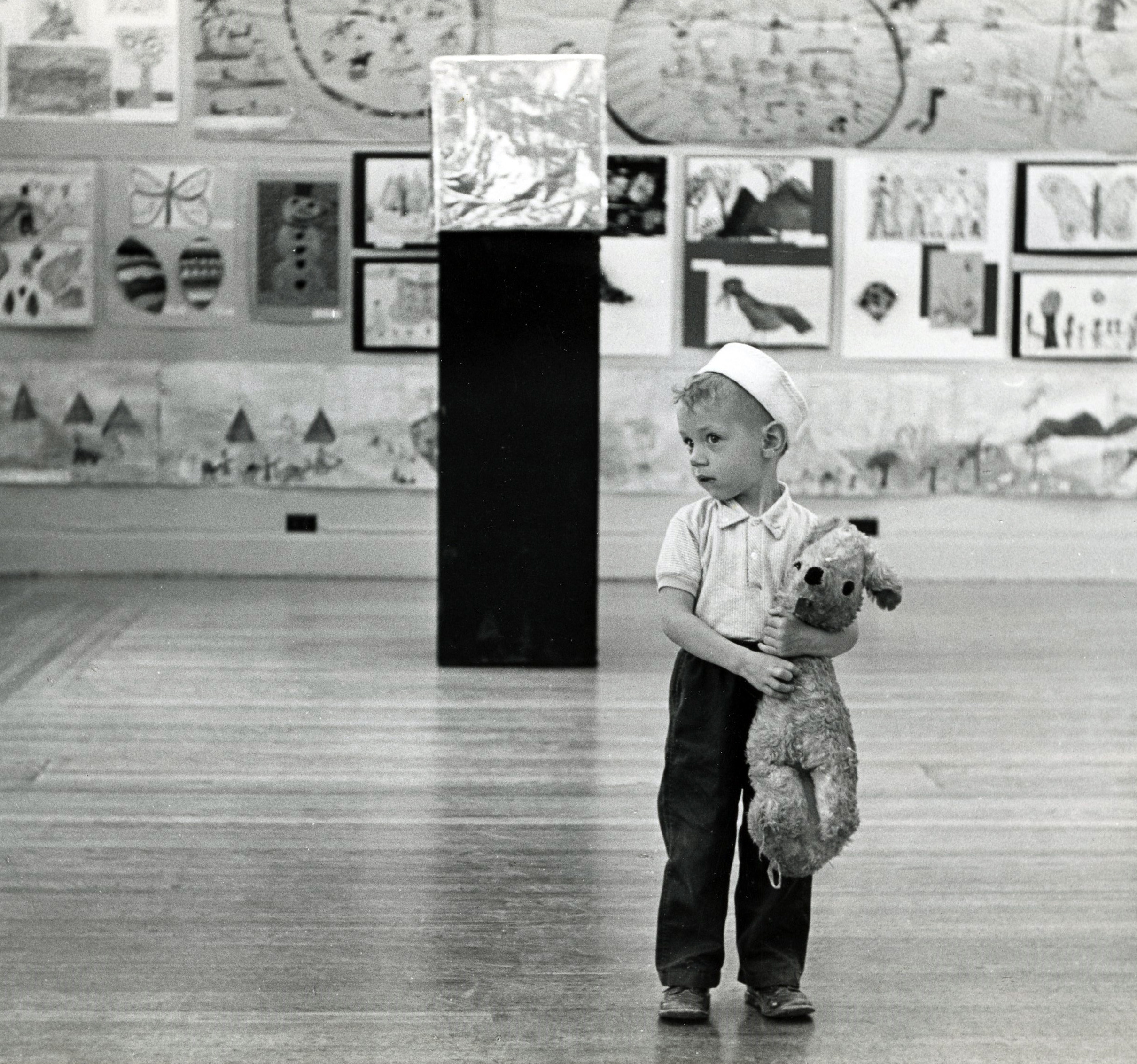
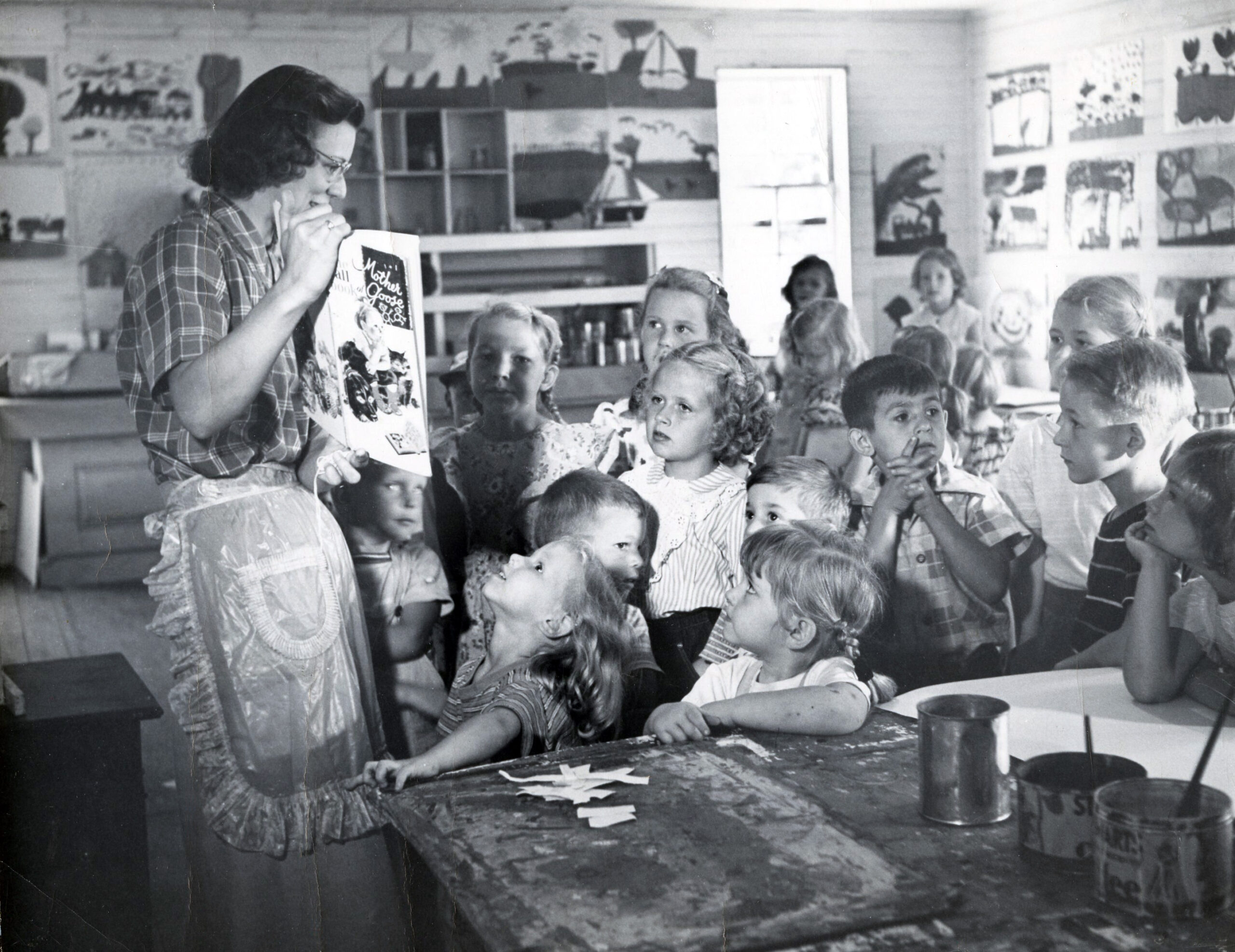
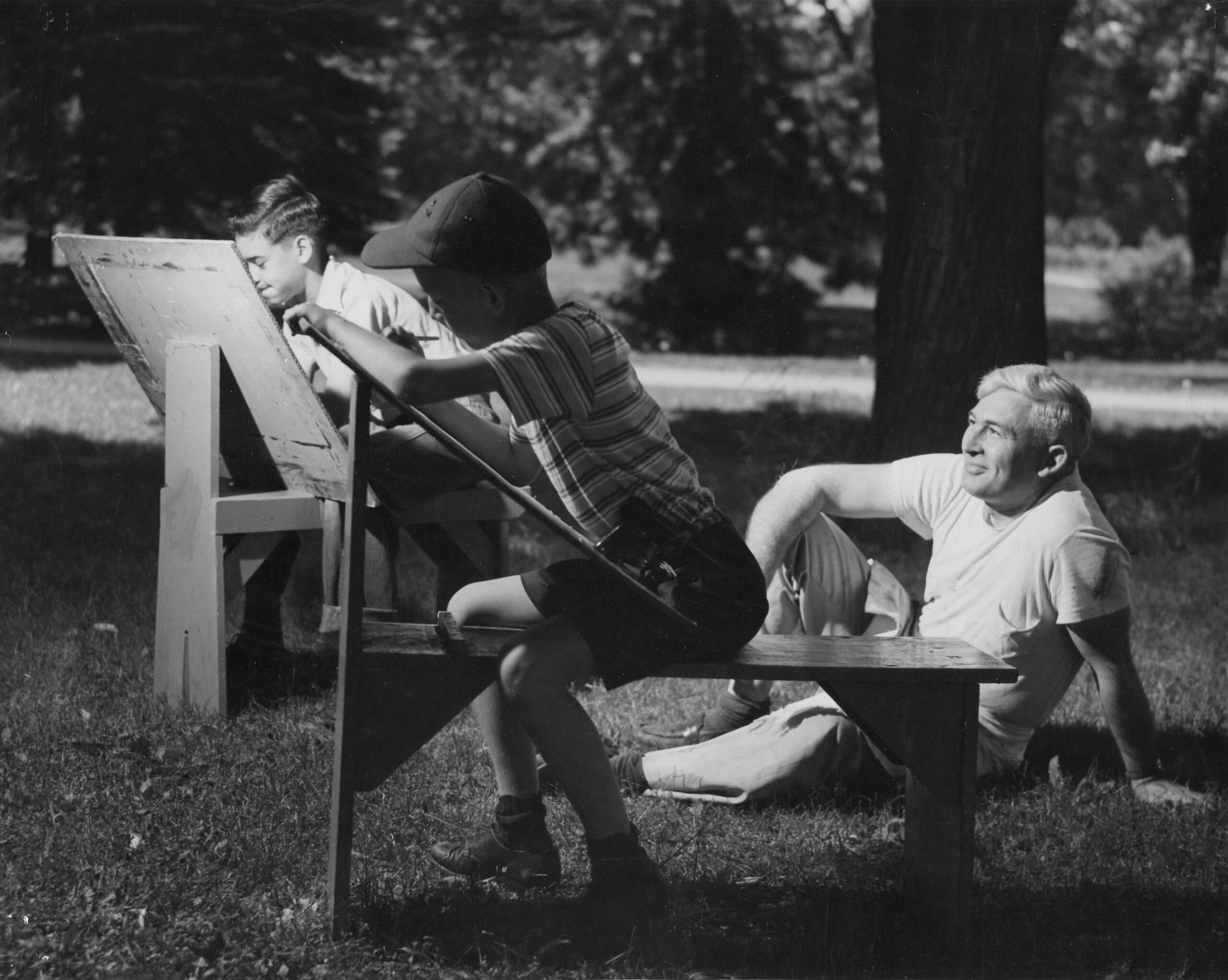
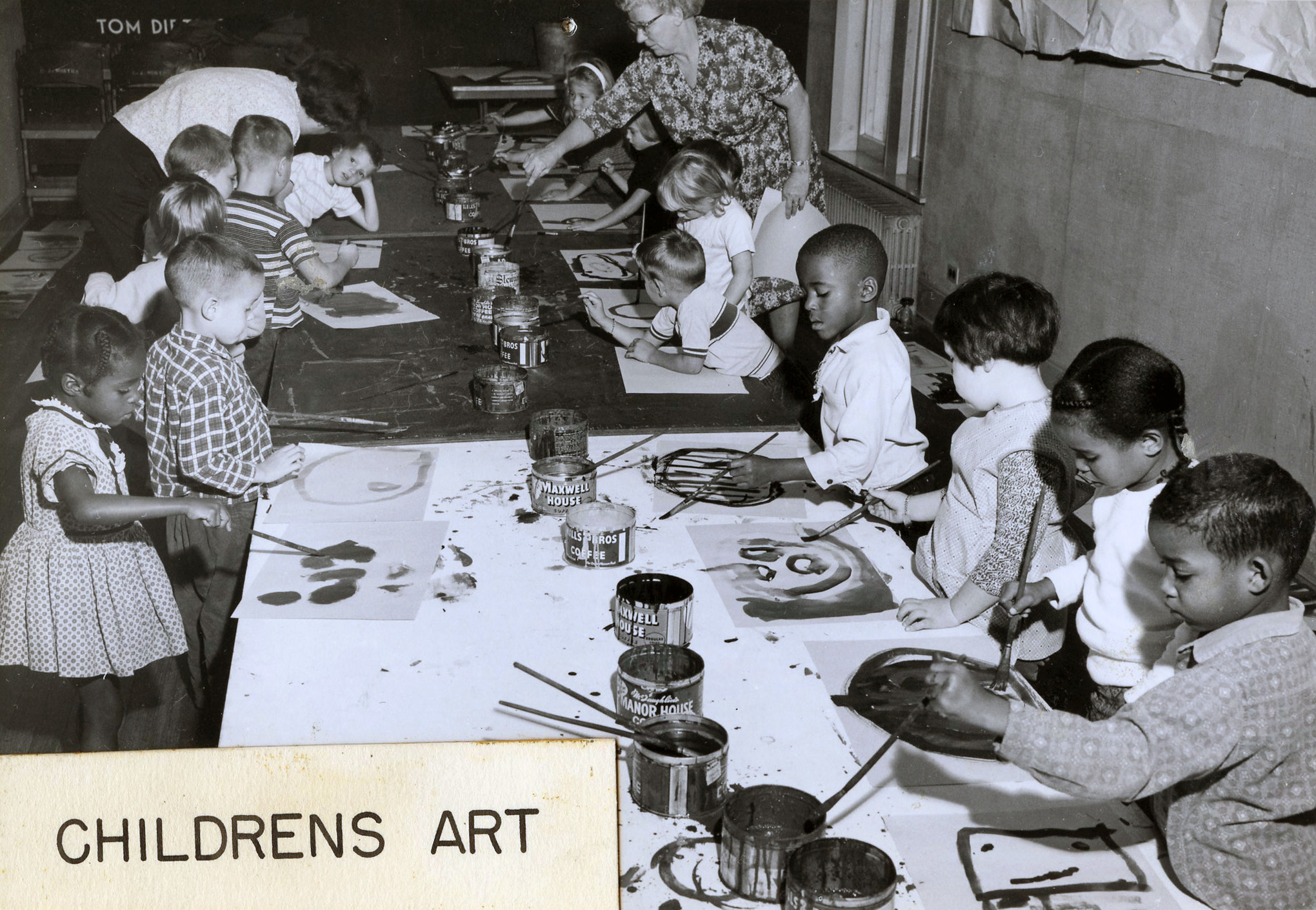
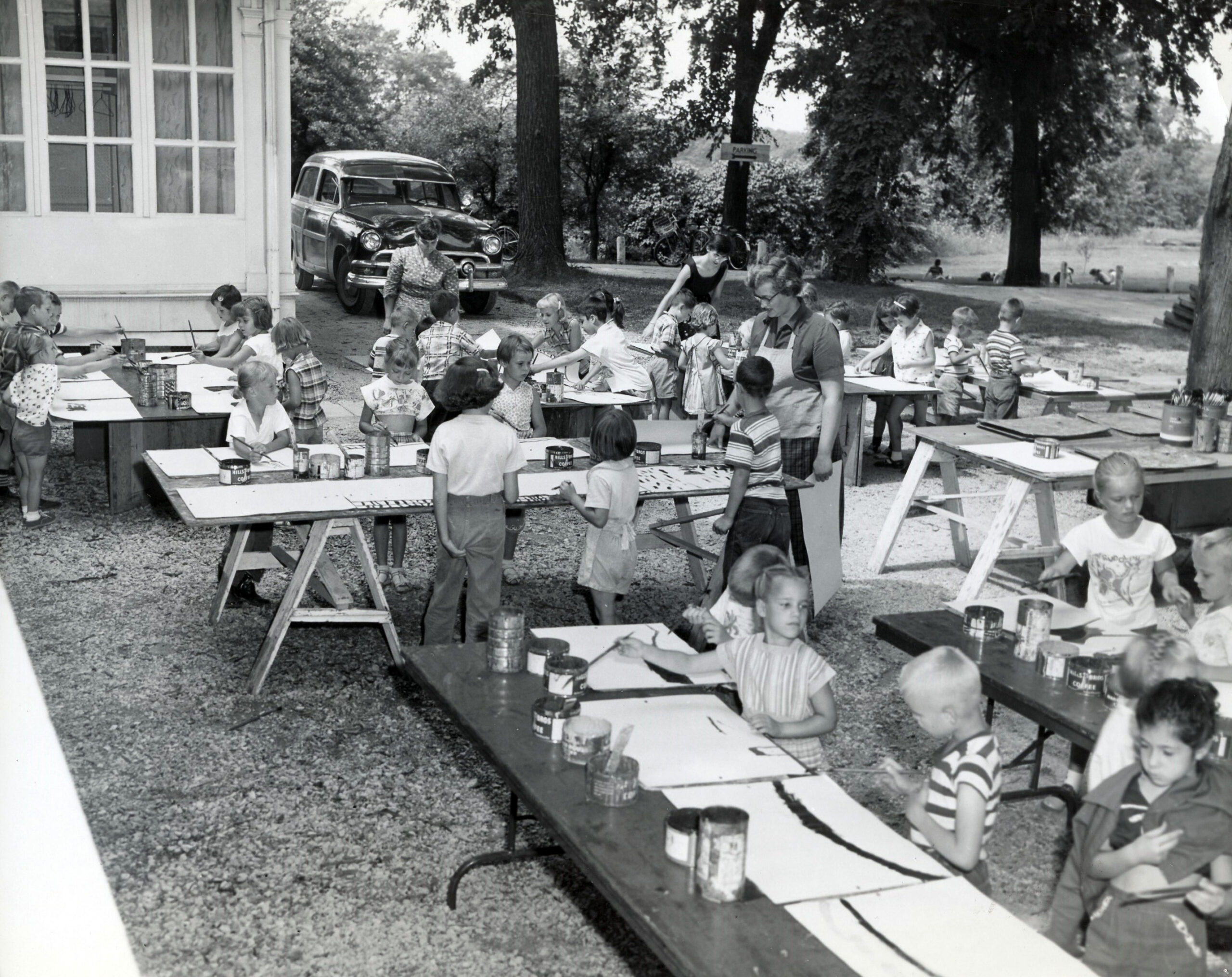
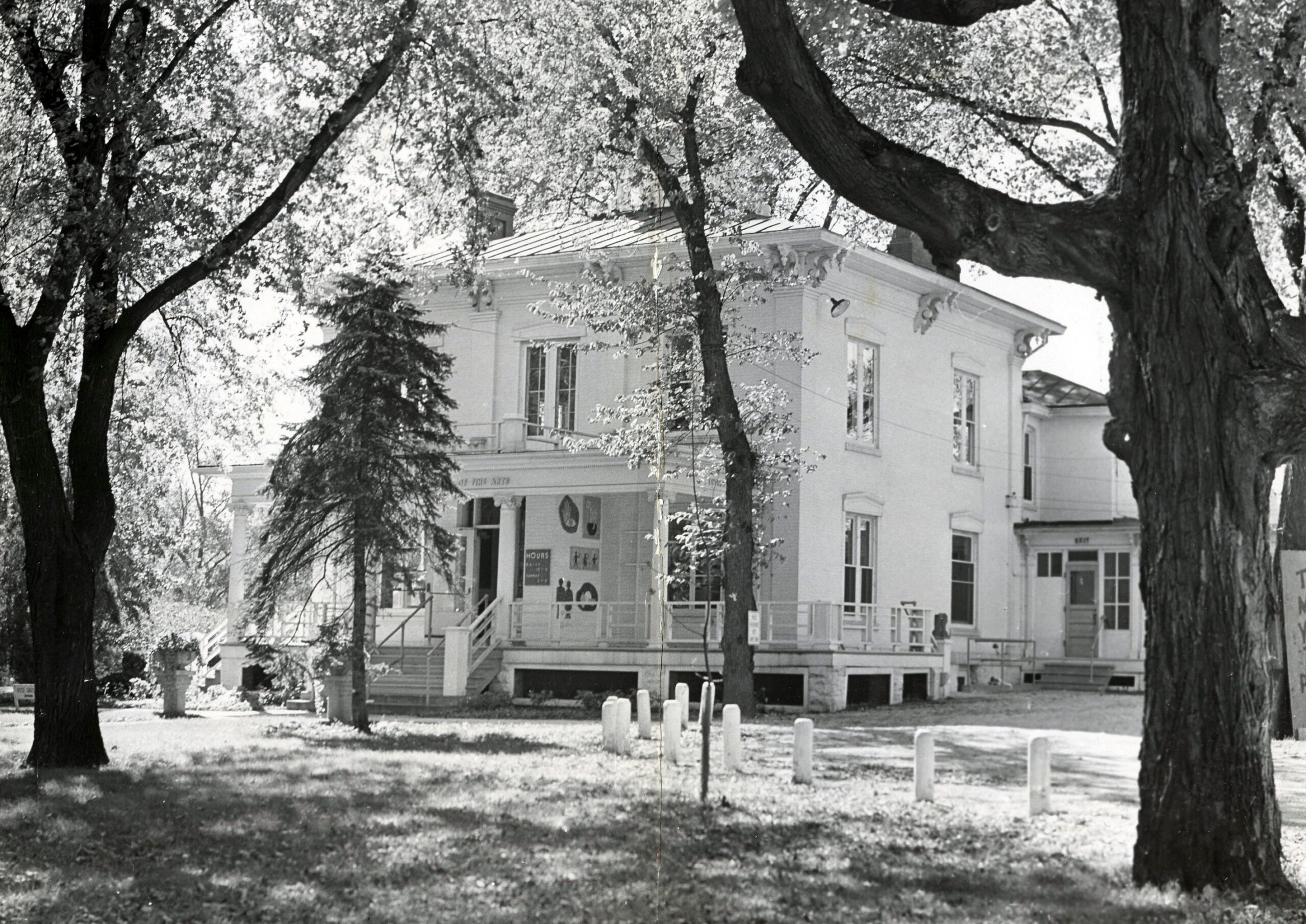
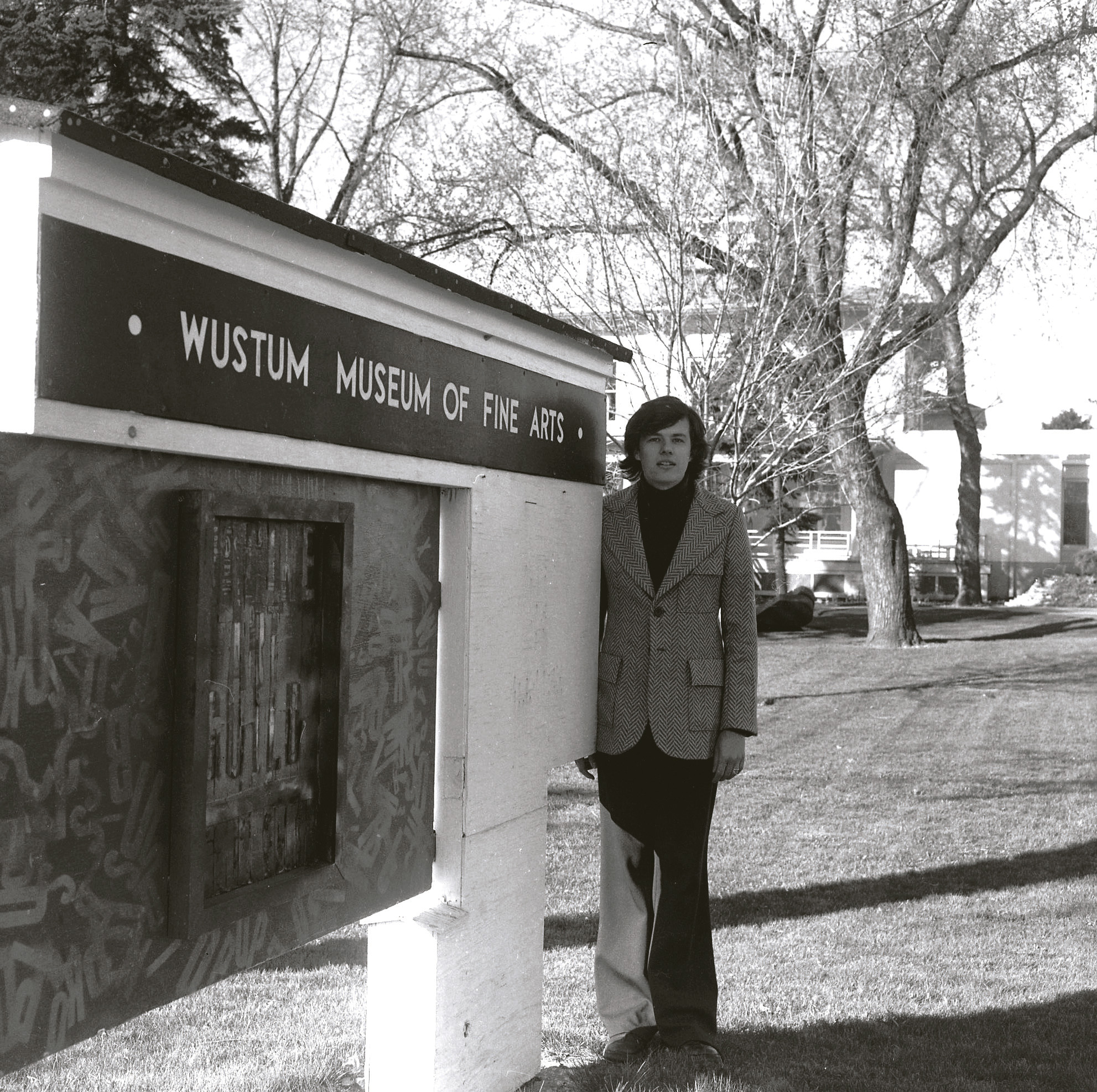
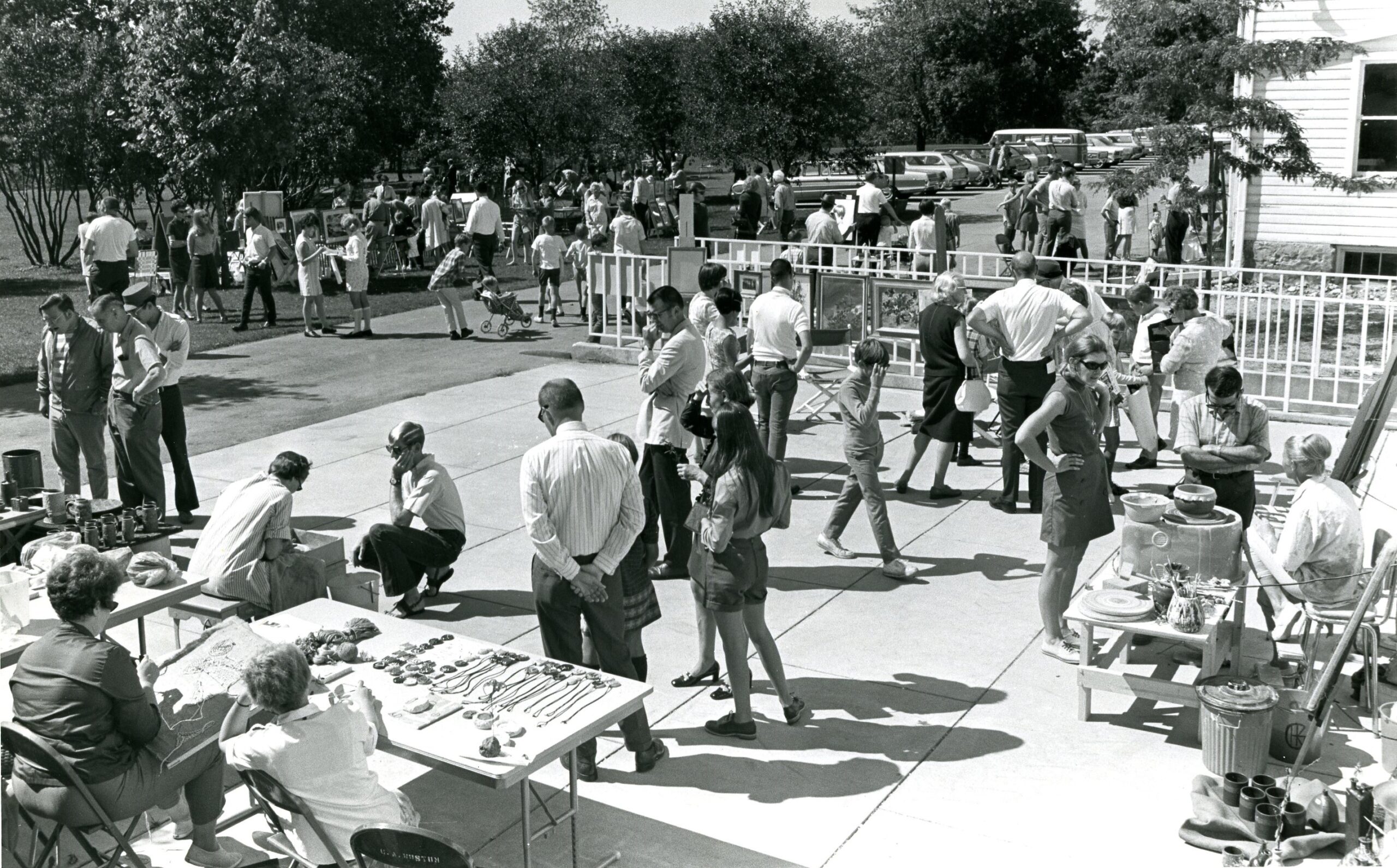
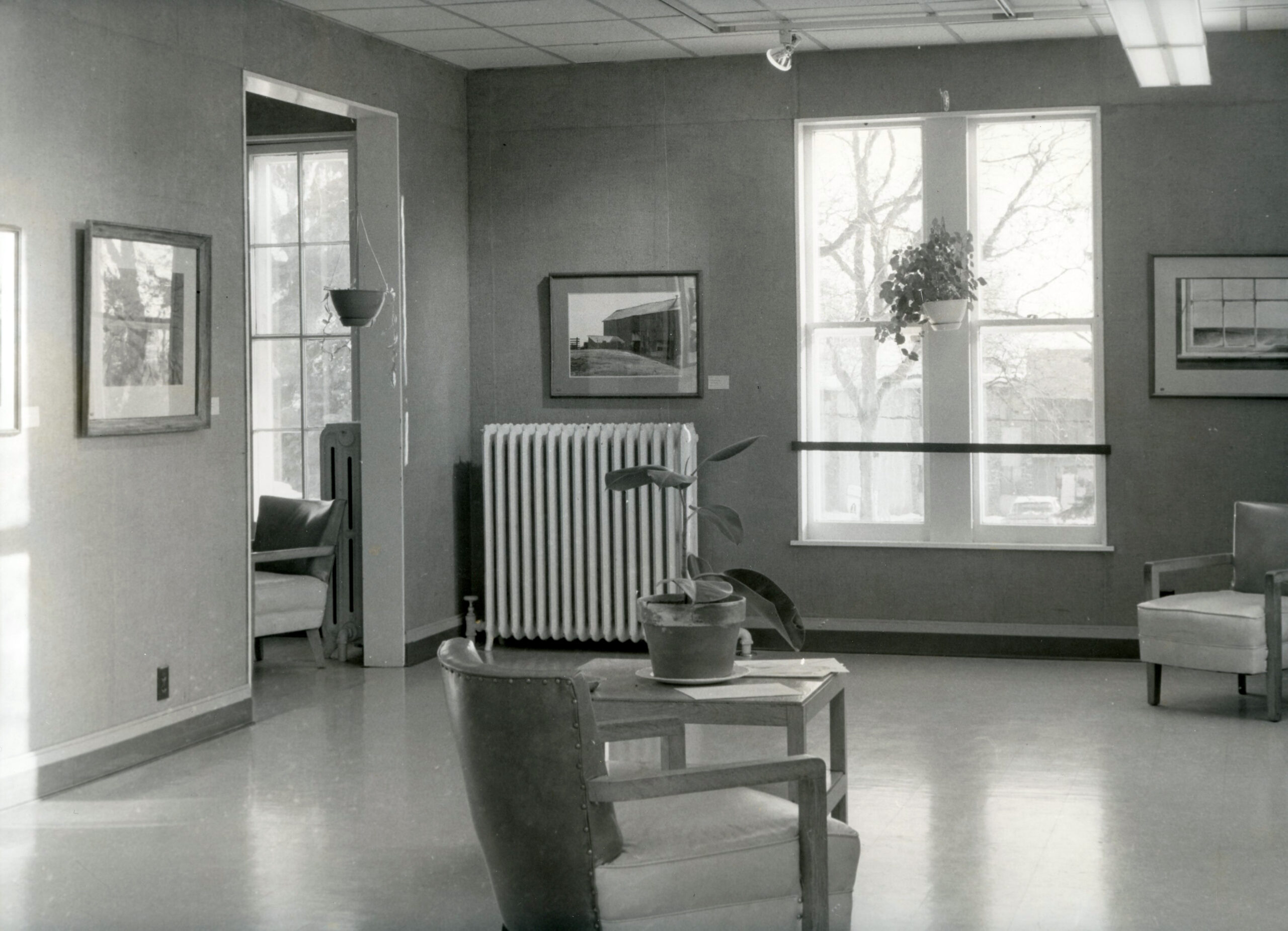
The origins of the Racine Art Museum date back to 1938, when Jennie E. Wustum donated her home, its surrounding 12.8 acres, and a trust fund to the City of Racine in memory of her husband, Charles A. Wustum. Her vision was to establish an art museum and park that would benefit future generations. By 1941, her gift had formally become the Charles A. Wustum Museum of Fine Arts, operated by the Racine Art Association, which later changed its name to Racine Art Museum Association (RAMA).
In 1943, the new museum received a major gift of Depression-era artworks from the Works Progress Administration, including prints, paintings, drawings, and textiles by Wisconsin and New York City artists. In 1966, it added a wing for studio art classes and organized the first Watercolor Wisconsin, a statewide watercolor competition that continues to this day. The museum began building its contemporary craft collection in the 1970s, thanks to ongoing donations from longtime patron Karen Johnson Boyd, an American Craft Council trustee and owner of Perimeter Gallery in Chicago.
By the 1990s, Wustum had outgrown its space, and RAMA launched a plan to establish a second campus in downtown Racine. The Marshall & Ilsley Bank of Racine offered the museum its former site at Fifth and Main Streets, and in 2003, with the help of a major leadership gift from the SC Johnson Fund and corporate and private donors like Karen Johnson Boyd, the new Racine Art Museum opened its doors. Designed by the award-winning Chicago
architectural firm Brininstool + Lynch, the 46,000-square-foot facility features exhibition galleries, an art library, a sculpture courtyard, a museum store, and collections storage space. Its distinctive exterior, clad in translucent acrylic panels, shines by day and glows at night, making it an architectural landmark in Racine’s revitalized downtown area.
RAM was led by Bruce W. Pepich for 43 years, during which time it became one of the nation’s foremost contemporary craft museums. Now, under the leadership of Executive Director Robb Woulfe, we plan to build on that legacy while also deepening our connection to place with a broad spectrum of artists whose work reflects and engages with our diverse community.
Racine Art Museum Timeline
The RAM project reused a former bank building that is a 55,000 square foot composite of structures with elements dating back to the Civil War, keeping the exterior partially clad limestone panels which date back to the 1960s renovation.
1885
The Racine Post Office opened its doors and M.J. Herman rented some space to make his cigars.
1899
American Express housed their offices here, as did J.P. Thompson, a woodworker. The B.P.O. Elks occupied the second and third floors.
1902
Dietrich Brother’s Insurance moved in by the Elks on the second floor. Packard & Metler tailors hung out in the basement.
1917
The building housed Commercial & Savings Bank. Hiram J. Smith’s Jewelry also opened its doors.
1929
American Trades & Savings Bank shared the building with Attorney Fred Ahlgrimm, Kolinski’s store and Met Life.
1937
The infamous Brownie Brown dance studio made its home here, as did the WRJN radio station.
1950
Charles M. Constantine opened his law office.
1958
Patricia Stevens Modeling School began its short tenure, as did the Lady Fair Slenderizing Salon.
1961
M&I Bank opened its offices and remained for decades.
2003
The Racine Art Museum, occupying all levels, began a new chapter in the life of 441 Main Street.
Stay in Touch
The Racine Art Museum and RAM’s Wustum Museum work together to serve as a community resource, with spaces for discovery, creation, and connection. Keep up to date on everything happening at both museum campuses—and beyond—by subscribing to our email newsletter: